Audio Stories
199 stories waiting to be heard. Each one brings a place to life through sound.
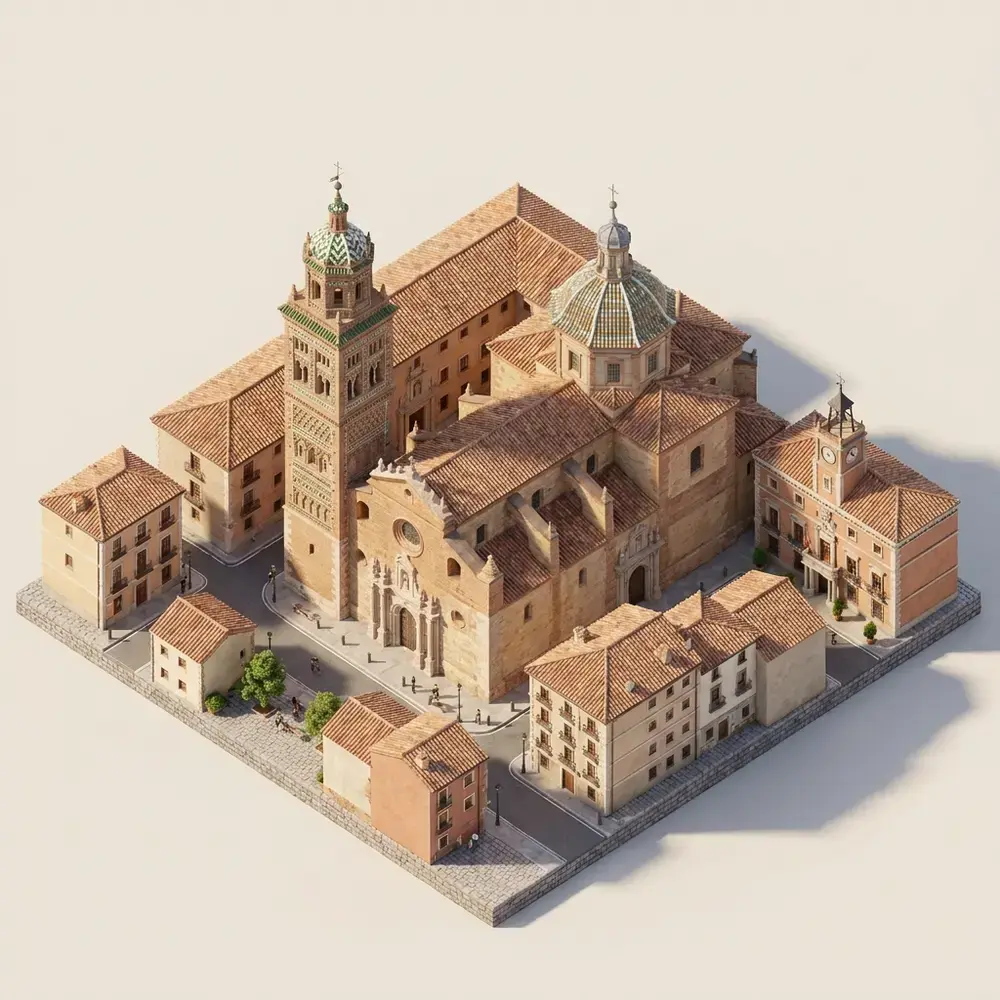
Bareyo: Romanesque Heritage in Cantabria
Explore Bareyo, a charming municipality in Cantabria renowned for its rich Romanesque heritage. Discover the Church of Santa María, one of the finest examples of Romanesque art in the region, and learn about the history and culture that make this village a hidden gem of Northern Spain.

Sanctuary of Our Lady of Latas
Discover the Sanctuary of Our Lady of Latas in Loredo, the most outstanding architectural example of Ribamontán al Mar. This sacred site, dedicated to the Virgin Mary, is celebrated annually on September 8th and represents a significant cultural and religious landmark in the Cantabrian region.

Somo: Coastal Gem of Cantabria
Explore Somo, a charming coastal town in Ribamontán al Mar renowned for its extensive beach and thriving surfing culture. Discover how this picturesque destination offers stunning views of Santander Bay and has become one of Cantabria's most popular tourist spots, attracting visitors with its golden sands, perfect waves, and authentic coastal atmosphere.

Church of Santa Maria de la Asuncion: Laredo's Gothic Jewel
Explore the history of the Church of Santa Maria de la Asuncion in Laredo, a magnificent 13th-century Gothic church declared a National Monument in 1931. Discover its architectural beauty and stunning Flemish altarpiece that has captivated visitors for centuries.

Puebla Vieja de Laredo: A Medieval Treasure
Explore the historic heart of Laredo, the Puebla Vieja, a medieval old town declared a Historic-Artistic Site in 1970. Wander through its six original streets and discover the rich architectural heritage that has been preserved through centuries, showcasing the essence of medieval Cantabrian life.

Sequoias Natural Monument of Monte Cabezón: Europe's Largest Redwood Forest
Discover the remarkable story of Monte Cabezón's sequoia forest, a protected natural space featuring over 800 California redwoods planted in the 1940s. Learn how this unique grove became Europe's largest redwood forest and was declared a Natural Monument in 2003, creating an extraordinary piece of California in the heart of Cantabria.

Bárcena de Pie de Concha: Gateway on the Roman Road
Explore Bárcena de Pie de Concha, a strategic town positioned on the historic Roman road connecting Castile to the Cantabrian Sea. Discover its remarkable 12th-century Romanesque church of San Cosme and San Damián, a testament to centuries of history and cultural heritage in the heart of Cantabria.

Church of San Facundo and San Primitivo: Romanesque Jewel of Iguña Valley
Explore the outstanding 12th-century Romanesque church of San Facundo and San Primitivo in Silió, the most important religious monument in the Iguña Valley. Declared a Historic-Artistic Monument in 1970, this architectural gem showcases the finest examples of Romanesque art in Cantabria, featuring remarkable stonework, sculpted capitals, and a rich historical heritage that has endured for nearly nine centuries.

Silio: Home of La Vijanera, Europe's First Carnival
Explore the charming village of Silio in Cantabria, renowned for hosting La Vijanera, Europe's first carnival of the year. Discover its magnificent 12th-century Romanesque church of San Facundo and San Primitivo, a testament to the region's rich medieval heritage and cultural traditions that have been preserved through the centuries.

Arenas de Iguña: Gateway to the Iguña Valley
Explore Arenas de Iguña, the head of the Iguña valley, renowned for its rich folklore traditions including La Vijanera carnival. This charming town features Gothic houses and lies within the stunning Saja-Besaya Natural Park, offering a unique blend of cultural heritage and natural beauty in the heart of Cantabria.

Cartes: Medieval Gem of the Besaya Valley
Explore the rich history of Cartes, a charming medieval town in Cantabria. Learn about its iconic Torreon, a fortified tower that has stood for centuries, and the Santa Maria de Yermo Romanesque church, a 13th-century architectural treasure that represents the cultural heritage of the Besaya valley.

El Sardinero Stadium: Home of Racing Santander
Explore the history of El Sardinero Stadium, home to Real Racing Club de Santander since 1988. This municipal stadium, with a capacity of 22,124 spectators, is beautifully located next to Mesones Park and the iconic Sardinero beach, combining sport with the natural beauty of Cantabria's coastline.

Mesones Park: Green Oasis in Santander
Explore the history of Mesones Park, a large green space inaugurated in 1955 on the site of former dunes behind Second Sardinero Beach. Discover its beautiful trees, tranquil pond, and recreational areas that make it a beloved spot for locals and visitors in Santander.
El Sardinero Beaches: Santander's Iconic Coastal Gems
Explore the story of El Sardinero Beaches, featuring two contiguous sandy stretches known as First and Second Sardinero. These wide, well-equipped, and beautiful urban beaches are the most representative coastal destinations in Cantabria, combining natural beauty with excellent facilities for visitors.
El Sardinero: Santander's Belle Époque Beach District
Explore the elegant history of El Sardinero, Santander's most exclusive beach district. Developed during the Belle Époque era, this stunning seaside resort showcases magnificent architecture, pristine beaches, and lush gardens. Discover how this corner of Cantabria became a favorite retreat for Spanish royalty and aristocracy, and learn about its transformation into one of Northern Spain's most iconic coastal destinations.

Cabo Menor: Historic Coastal Promontory
Explore Cabo Menor, a stunning coastal promontory in Santander featuring an 18th-century military battery. This historic site offers breathtaking panoramic views of the Cantabrian Sea and neighboring Cabo Mayor, making it a must-visit destination on Spain's northern coast.

Matalenas Beach: A Hidden Gem of Santander
Explore the captivating beauty of Matalenas Beach, a stunning cove nestled between Cabo Mayor and Cabo Menor. Protected by majestic high cliffs, this scenic beach has been documented since 1730 and remains one of Santander's most picturesque coastal treasures.

Pilgrim Monument: Gateway to Santo Toribio
Discover the bronze statue of a pilgrim marking the sacred route to Santo Toribio de Liébana monastery in Cantabria. This monument bears both the cross (crucenos symbol) and the shell (concheros symbol), representing the spiritual journey of pilgrims. Learn about the significance of this iconic landmark along the CA-185 road and its connection to one of Christianity's most important pilgrimage sites in Northern Spain.

El Habario Chestnut Forest: A Living Monument
Explore the enchanting El Habario Chestnut Forest, home to over 200 centuries-old chestnut trees. This ancient grove, one of Spain's most important mature chestnut forests, offers a magical journey through nature's timeless beauty in the heart of Cantabria's Liébana valley.
Ferrería de Cades: 18th-Century Ironworks Heritage
Explore the Ferrería de Cades, a beautifully preserved 18th-century hydraulic ironworks built in 1752. This remarkable site in Cantabria showcases traditional iron production methods through guided tours, offering a fascinating glimpse into the region's industrial heritage and the ingenuity of historical metallurgy.
Collada de Carmona: Mountain Pass of Cantabria
Explore the Collada de Carmona, a scenic mountain pass at 601 meters elevation that connects the Valle and Carmona areas. This strategic location offers spectacular panoramic views and serves as the natural dividing line between the Saja and Nansa river watersheds in the heart of Cantabria's mountainous landscape.
Valle: Capital of Cabuérniga
Explore the history of Valle, the capital of the Cabuérniga municipality, located at 260 meters altitude. This historic village has been declared a Cultural Heritage Site for its well-preserved traditional Cantabrian architecture, showcasing the rich rural heritage of northern Spain.
Valle de Cabuérniga: A Natural Haven in Cantabria
Scenic valley along the Saja River, known for pristine nature, traditional villages, and excellent hiking trails through oak and beech forests.
Ruente: Heart of the Cabuerniga Valley
Explore the enchanting village of Ruente, nestled in the Cabuerniga valley. Discover the legendary La Fuentona spring, renowned for its crystal-clear waters, and marvel at the medieval nine-arch bridge that has stood for centuries. Experience the authentic mountain architecture that has been carefully preserved through generations.
Parque Natural de Saja-Besaya: Cantabria's Green Heart
Discover Parque Natural de Saja-Besaya, Cantabria's largest natural park covering 24,500 hectares. Features pristine forests, rivers, and diverse wildlife including deer, wild boar, and wolves.
Cabezon de la Sal: Gateway to Cantabria's Valleys
Discover the historic town of Cabezon de la Sal, renowned for its ancient salt mines that gave the town its name. Learn about its strategic location as the gateway to the beautiful Valle de Cabuerniga, its traditional Cantabrian architecture, and the rich cultural heritage that has shaped this charming mountain town in northern Spain.
Tower of Agüero: A 17th-Century Fortified Legacy
Explore the history of the Tower of Agüero, a magnificent 17th-century fortified tower-house in Cantabria that belonged to the ancient Agüero lineage. Declared a Cultural Heritage Site in 1992, this architectural gem reflects the military and noble traditions of the region.
San Vicente de Toranzo: Capital of Corvera
Explore San Vicente de Toranzo, the capital of Corvera de Toranzo municipality. Situated at 168 meters altitude, this historic village is renowned for its noble houses and rich historical heritage that reflect the architectural traditions of Cantabria.
Liencres: Cantabria's Coastal Gem
Explore the captivating story of Liencres, a coastal locality situated 9 km west of Santander. Known for its stunning beaches stretching along 8 km of coastline and the remarkable Natural Park of Dunas de Liencres, this destination combines natural beauty with ecological importance in the heart of Cantabria.
Parque Natural de las Dunas de Liencres: Cantabria's Coastal Gem
Explore the Parque Natural de las Dunas de Liencres, a stunning 195-hectare natural park featuring one of the most important dune systems of the Cantabrian coast. Discover its maritime pine forests and two beautiful beaches that make this protected area a unique ecological treasure of Northern Spain.
Panteon del Ingles: Memorial to William Rowland
Discover the story of the Panteon del Ingles, a small monument built in 1892 in memory of William Rowland, who died at this location. Perched on the dramatic cliffs between Puente del Diablo and El Bocal beach, this memorial stands as a testament to a tragic event and offers stunning views of the Cantabrian coastline.
Santa María del Naranco: Royal Palace of Asturias
Explore the remarkable history of Santa María del Naranco, a UNESCO World Heritage 9th-century pre-Romanesque palace built by King Ramiro I. Originally constructed as a royal palace, this architectural masterpiece was later converted into a church and offers stunning panoramic views over Oviedo and the Asturian landscape.
Oviedo Cathedral: The Sancta Ovetensis
Discover the magnificent Oviedo Cathedral, known as Sancta Ovetensis, a stunning example of Gothic architecture in the heart of Asturias. Explore its famous Holy Chamber, which houses sacred relics including the Holy Sudarium of Oviedo and the iconic Cross of Victory and Cross of Angels, symbols of the Kingdom of Asturias.
Oviedo: Capital of Asturias and Pre-Romanesque Heritage
Explore the rich history of Oviedo, capital of Asturias, founded in the 8th century. Discover its UNESCO World Heritage pre-Romanesque monuments, the magnificent San Salvador Cathedral, and learn about the prestigious Princess of Asturias Awards that celebrate excellence in arts, sciences, and humanities.
Cider Museum: Asturian Tradition in a Glass
Explore the rich heritage of Asturian cider at the Cider Museum in Nava. Opened in 1996 as part of the Ethnographic Museums Network of Asturias, this interactive museum takes you through the fascinating production process and cultural significance of cider in the region. Learn about traditional techniques, the art of pouring, and how this golden beverage became an essential part of Asturian identity.
Nava: The Heart of Asturian Cider
Explore Nava, the capital of Asturian cider culture. Home to the renowned Cider Museum and host of the National Cider Festival, declared of National Tourist Interest since 1969. Discover the traditions, heritage, and vibrant celebrations that make this town the soul of Asturias' most iconic beverage.
Infiesto: Capital of Hazelnuts in Asturias
Explore Infiesto, the vibrant capital of Piloña municipality in Asturias, renowned as the hazelnut capital of Spain. Discover its fascinating modernist commercial architecture that defines its urban landscape and visit the revered Sanctuary of the Virgin of La Cueva, a spiritual landmark deeply rooted in local tradition. Learn about the town's agricultural heritage, its role in the hazelnut industry, and how this charming Asturian town blends history, commerce, and faith.
Sevares: Traditional Asturian Village
Discover Sevares, a small village in Piloña with traditional Asturian architecture. Learn about the unique Virgin of Corriellu statue and explore the stunning mountain hiking routes that surround this charming location.
Arriondas: Gateway to Picos de Europa
Explore Arriondas, the vibrant capital of Parres municipality in Asturias. Famous for hosting the International Sella River Descent, this charming town serves as the perfect gateway to the spectacular Picos de Europa National Park. Discover its culinary excellence with two Michelin-starred restaurants and learn about its rich cultural heritage along the banks of the Sella River.
Córdoba: A Journey Through Islamic and Roman Heritage
Historic city with stunning Islamic and Roman heritage. Home to the famous Mosque-Cathedral, Jewish Quarter, and Roman Bridge over Guadalquivir.
Mosque-Cathedral of Córdoba: A Monument of Islamic Art
Discover the Mosque-Cathedral of Córdoba, the most important monument of the Islamic Western world. Marvel at its iconic red-and-white arches in this UNESCO World Heritage Site built from 785 AD, which now serves as a cathedral. Learn about its unique architectural fusion of Islamic and Christian styles.
Castle of Almodóvar del Río: Andalusian Fortress Through the Ages
Explore the majestic Castle of Almodóvar del Río, an Arab fortress dating back to 760 AD. Perched on a hilltop overlooking the Guadalquivir River, this is one of Spain's best-preserved medieval castles. Learn about its rich history from Moorish origins to Christian conquest, and discover why it was chosen as a filming location for Game of Thrones.
Lora del Río: Guadalquivir Gem of Seville
Explore the fascinating history of Lora del Río, a charming riverside town nestled along the Guadalquivir River. Discover its stunning baroque town hall designed by renowned architect Aníbal González, the remains of a medieval castle, and the rich heritage of the Order of Malta that marks this important stop along historic routes through Andalusia.
Ecija: The City of Towers
Explore Ecija, known as the 'City of Towers' with its impressive collection of 11 baroque bell towers. This historic town in Seville province was declared a Historic-Artistic Site in 1966, showcasing a rich Roman heritage and architectural treasures that tell the story of centuries of Andalusian history.
La Luisiana: An 18th-Century Colonial Experiment
Explore the unique history of La Luisiana, a planned settlement founded by King Carlos III in 1768 as part of a grand colonization project. German and French settlers established this town along the strategic Sevilla-Córdoba route, creating a distinctive community that stands as a testament to Enlightenment-era urban planning in Andalusia.
Roman Necropolis of Carmona: Spain's Best-Preserved Burial Site
Explore the Roman Necropolis of Carmona, the best-preserved Roman burial site in Spain. Discover its monumental tombs including the spectacular Servilia Tomb and the Elephant Tomb, featuring underground chambers decorated with frescoes and sculptures. Declared a Historic-Artistic Monument in 1931, this archaeological treasure offers a unique glimpse into Roman funerary practices and architecture from the 1st century BCE to the 2nd century CE.
Carmona: Andalusia's Monumental Hilltop Jewel
Explore the rich history of Carmona, one of Andalusia's most monumental cities. Discover its impressive Roman necropolis, medieval defensive walls, and the stunning Alcázar of Puerta de Sevilla. This historic hilltop town has witnessed centuries of Iberian, Roman, Visigothic, and Moorish civilizations, leaving behind an extraordinary architectural and cultural legacy.
Real Alcázar of Seville: A Living Royal Palace
Explore the magnificent Real Alcázar of Seville, a royal palace complex showcasing stunning Moorish, Gothic, and Renaissance architecture. As a UNESCO World Heritage Site and Europe's oldest royal palace still in use, discover its rich history spanning over a millennium, from its origins as a Moorish fortress to its current role as an official residence of the Spanish Royal Family.
Seville Cathedral and Giralda: Gothic Masterpiece
Explore the magnificent Seville Cathedral and Giralda, the largest Gothic cathedral in the world. Declared a UNESCO World Heritage Site in 1987, this architectural marvel features the iconic Giralda tower, stunning Gothic architecture, and priceless works of art that chronicle centuries of Spanish history.
Castro Urdiales: Roman Heritage and Gothic Splendor
Explore the rich history of Castro Urdiales, a beautiful coastal town with Roman origins known as Flaviobriga. Discover its impressive medieval castle-lighthouse standing guard over the harbor and the stunning Gothic masterpiece of Santa María church, symbols of its glorious past on the Cantabrian coast.
Marismas de Santoña, Victoria y Joyel: A Wetland Paradise
Explore the Marismas de Santoña, Victoria y Joyel, one of the most important natural reserves and wetland ecosystems in Spain. This exceptional site hosts over 120 aquatic bird species, making it a premier destination for bird-watching enthusiasts and nature lovers. Discover the unique biodiversity, migratory patterns, and ecological significance of this protected coastal wetland.
Santoña: Cantabria's Historic Anchovy Port
Explore the captivating history of Santoña, a historic fishing port renowned worldwide for its anchovy industry. Discover its natural marshlands, the majestic Monte Buciero, and the impressive coastal fortifications that have protected this maritime treasure for centuries.
Somo Beach: Surfing Paradise at Santander Bay
Famous surf beach at the entrance of Santander Bay. Popular destination for water sports and beach lovers with stunning coastal views.
Barakaldo: From Industrial Steel Hub to Modern Cultural Center
Explore the transformation of Barakaldo, the second largest city in Vizcaya. Discover its rich industrial heritage rooted in steel manufacturing, its beautiful botanical garden, and how it evolved from a traditional industrial hub into a vibrant modern service and cultural center in the heart of the Basque Country.
Getxo: Palatial Coastal Elegance and the Vizcaya Bridge
Explore the captivating history of Getxo, an elegant coastal municipality in the Basque Country. Discover its palatial mansions, beautiful beaches, the iconic Vizcaya Bridge UNESCO World Heritage site, and its rich architectural heritage declared a Monumental Complex.
Portugalete: The Historic Maritime Town and the Vizcaya Bridge
Explore the rich history of Portugalete, a historic maritime town on the left bank of Bilbao's estuary. Discover the iconic Vizcaya Bridge, a UNESCO World Heritage Site and engineering marvel, along with the medieval quarter that was declared a Historic Complex in 1996. Learn about its maritime heritage and cultural significance in the Basque Country.
Muñatones Castle: Bizkaia's Medieval Fortress
Explore the history of Muñatones Castle, a medieval fortress built during the 14th-15th centuries amidst feudal wars. As the only true castle in Bizkaia with complete outer walls, this Historic-Artistic Monument declared in 1944 stands as a testament to the region's turbulent past and architectural heritage.
Church of Santa María de la Asunción: Gothic Jewel of Cantabria
Explore the magnificent Church of Santa María de la Asunción in Castro Urdiales, a stunning Gothic masterpiece built between the 13th and 15th centuries. This architectural treasure is considered the most important Gothic monument in Cantabria and has been declared a Cultural Heritage Site. Discover its rich history, impressive architectural features, and its significance to the region's cultural and religious heritage.
Castro Urdiales: Ancient Flaviobriga on the Cantabrian Coast
Explore the rich history of Castro Urdiales, a picturesque coastal town in eastern Cantabria with Roman origins as Flaviobriga. Discover its stunning medieval architecture, beautiful beaches, and thriving fishing heritage that has shaped this vibrant community for centuries.
Polanco: A Historic Stop on the Camino de Santiago
Explore the captivating history of Polanco, a historic municipality in Cantabria along the Camino de Santiago. Discover its connection to renowned writer José María de Pereda, the mysterious natural lake Pozo Tremeo, and the rich industrial heritage that shaped this charming town.
Santa Cruz de Bezana: Gateway to Costa Quebrada
Explore Santa Cruz de Bezana, a charming municipality located along the Cantabrian coast. Discover its proximity to beautiful beaches and the natural landscapes of Costa Quebrada, a protected area known for its dramatic cliffs and geological formations. Learn about its coastal heritage and connection to the stunning northern Spanish coastline.
Camargo: Gateway to Paleolithic Wonders
Explore Camargo, a historic municipality near Santander famous for its prehistoric caves. Discover El Pendo cave with its remarkable Paleolithic paintings and the legendary 'king of paleolithic scepters', a testament to early human creativity in Cantabria.
Penacastillo: A Vibrant Locality in Santander
Explore Penacastillo, a thriving locality in Santander with 20,000 inhabitants. Discover the natural beauty of La Peña mountain, standing at 139 meters altitude, offering breathtaking panoramic views of the city and surrounding landscapes.
Santoña, Victoria and Joyel Marshes Natural Park
Explore the Santoña, Victoria and Joyel Marshes Natural Park, a protected wetland area covering 6,678 hectares. Discover why this is the most important wetland in northern Spain, hosting over 120 bird species and serving as a key migration route for birds traveling between Europe and Africa.
Treto Bridge: Historic Iron Crossing over the Asón
Explore the captivating history of Treto Bridge, a magnificent iron structure built between 1897 and 1905 spanning the Asón River estuary. This engineering marvel features a rotating section inspired by Gustave Eiffel's designs, connecting the towns of Colindres and Bárcena de Cicero in Cantabria. Learn about its construction, architectural significance, and role in transforming regional connectivity in Northern Spain.
Arredondo: Capital of the World
Discover the story of Arredondo, a small village known as the 'Capital of the World' thanks to the wealth brought by indianos who emigrated to America and returned with fortunes. Explore the neoclassical San Pelayo Church and the stunning natural beauty of this Cantabrian municipality.
Puerto de Alisas: Gateway to Cantabrian Heights
Explore Puerto de Alisas, a scenic mountain pass at 674 meters altitude along the CA-261 road. This strategic viewpoint offers breathtaking panoramic views of Santander Bay, the majestic Picos de Europa mountain range, and the rolling landscapes of eastern Cantabria. Discover the history and natural beauty of this essential route connecting the Cantabrian coast with its mountainous interior.
Lierganes: The Village of the Fish-Man Legend
Explore the enchanting history of Lierganes, a charming village in Cantabria famous for the legendary Fish-Man tale. Discover its ancient Roman bridge spanning the Miera River, magnificent 18th-century baroque mansions, and the mysteries that surround this picturesque historic settlement nestled in the Cantabrian valleys.
Solares: The Thermal Spa Town of Cantabria
Explore the history of Solares, a charming town in Medio Cudeyo municipality known for its thermal spa tradition dating back to the 18th century. Discover how its mineral water bottling industry developed, learn about its historic palaces and beautiful gardens, and understand why this town became a prestigious destination for health and wellness in Northern Spain.
Santuario de la Bien Aparecida: Shrine of Cantabria's Patron Saint
Discover the Santuario de la Bien Aparecida, the spiritual heart of Cantabria. This sanctuary honors the region's patron saint, the Virgin who miraculously appeared in 1605. Marvel at its stunning baroque churrigueresque altarpieces and learn about the centuries-old pilgrimage tradition that brings thousands of faithful devotees to Hoz de Marrón every September 15th to celebrate her feast day.
Ampuero: Capital of the Lower Ason
Explore the history of Ampuero, capital of the Lower Ason valley in Cantabria. Discover its magnificent 16th-century columnary church and the traditional September bull runs, an event declared of Regional Tourist Interest that brings together locals and visitors in a celebration of Cantabrian culture and tradition.
Church of San Pedro: Sanctuary of the Christ of the Agony
Explore the rich history of the Church of San Pedro in Limpias, a sacred sanctuary housing the venerated Christ of the Agony. Declared Cultural Heritage in 1983, this remarkable church features stunning baroque and rococo altarpieces dating from the 16th to 18th centuries, representing centuries of devotion and artistic craftsmanship in Cantabria.
Limpias: Sanctuary of the Miraculous Christ
Explore the captivating history of Limpias, a picturesque town nestled along the Asón river in Cantabria. Discover the famous Christ of Limpias sanctuary, known for its miraculous crucifix that drew thousands of pilgrims in the early 20th century, and learn about the stunning Palacio de Eguilior, now home to a historic Parador.
Colindres: Town at the Asón River Estuary
Explore the history of Colindres, a charming town at the Asón River estuary in Cantabria. Divided into two distinct areas—the historic Colindres de Arriba and the modern Colindres de Abajo—this town features an active fishing port and beautiful marshlands that have shaped its identity over centuries.
Fuente De Cable Car: Gateway to Picos de Europa
Discover the remarkable Fuente De Cable Car, Europe's longest single-span cable car at 1,450 meters. Built in 1966, this engineering marvel ascends 753 meters in elevation, providing breathtaking access to the Picos de Europa National Park. Learn about its construction, the spectacular mountain views it offers, and how it has become an essential gateway for hikers exploring the famous hiking routes of Northern Spain's most dramatic mountain range.
Fuente Dé: Gateway to the Picos de Europa
Explore the spectacular glacial cirque of Fuente Dé, where the Deva River is born, surrounded by the majestic peaks of the Picos de Europa. Discover the famous cable car that ascends 753 meters in just 4 minutes to El Cable viewpoint at 1,850 meters altitude, offering breathtaking panoramic views of this dramatic mountain landscape.
Espinama: Gateway to Picos de Europa
Discover the charming mountain village of Espinama, nestled at the foothills of Picos de Europa at 877 meters altitude. Explore its traditional hórreos (granaries), learn about its pastoral heritage, and find out why it's the perfect starting point for hiking routes to Áliva and the famous Fuente Dé cable car.
Cosgaya: Cradle of Reconquista and Ancient Monastery
Explore the rich history of Cosgaya, a historic village nestled on the Deva River in the Picos de Europa. Known as the legendary birthplace of Don Pelayo, the Visigothic nobleman who sparked the Reconquista, Cosgaya holds deep significance in Spanish history. Discover its ancient monastery dating back to 796 AD and admire the traditional Lebaniego architecture that has been preserved through the centuries in this charming Cantabrian village.
Mogrovejo: One of Spain's Most Beautiful Villages
Explore the enchanting village of Mogrovejo, recognized as one of Spain's most beautiful villages. This medieval gem features a 13th-century tower, traditional stone houses, and stunning mountain scenery. Discover its rich history, including its role as a filming location for the movie Heidi, and learn why it was declared a Historic Site.
Church of Santa María de Lebeña: A Mozarabic Jewel
Explore the remarkable Church of Santa María de Lebeña, a 10th-century Mozarabic masterpiece nestled in the heart of Cantabria. Declared a National Monument in 1893, this exceptional example of pre-Romanesque architecture showcases unique horseshoe arches, intricate stone carvings, and a rich history that bridges Christian and Islamic artistic traditions. Discover the secrets of this architectural gem and its significance in Spain's cultural heritage.
Panes: Gateway to Eastern Asturias
Explore Panes, a charming Asturian town nestled in the spectacular Hermida Gorge route. Located near the Cantabria border, this traditional settlement has served as the historic gateway to eastern Asturias, offering stunning mountain landscapes and authentic northern Spanish culture.
Church of Santa María de los Ángeles: Gothic Monument on the Cantabrian Coast
Explore the remarkable history of the Church of Santa María de los Ángeles, a stunning 13th-century Gothic church perched on a rocky promontory in San Vicente de la Barquera. Declared a National Monument in 1931, this architectural gem has witnessed centuries of Cantabrian history. Learn about its striking Gothic features, its strategic location overlooking the sea, and the cultural significance it holds for this historic fishing village.
San Vicente de la Barquera: Gateway to the Picos de Europa
Explore the enchanting history of San Vicente de la Barquera, a historic maritime village nestled on the Cantabrian coast. Discover its medieval castle, stunning Gothic church of Santa María de los Ángeles, and breathtaking views of the estuary with the dramatic Picos de Europa mountains rising in the background. Learn about its fishing traditions, ancient pilgrim routes, and how this charming village became one of the most picturesque destinations in Northern Spain.
Collegiate Church of Santillana del Mar: Romanesque Jewel of Cantabria
Explore the magnificent Collegiate Church of Santillana del Mar, a masterpiece of 12th-century Romanesque architecture. Declared a National Monument in 1889, this church is one of Cantabria's most iconic buildings, featuring stunning stone carvings, a remarkable cloister, and centuries of spiritual heritage in one of Spain's most beautiful medieval towns.
Santillana del Mar: A Medieval Jewel of Cantabria
Explore the enchanting history of Santillana del Mar, a perfectly preserved medieval village declared a Historic-Artistic Site. Discover its cobbled streets, Romanesque architecture, and proximity to the world-famous Altamira Cave. Known as one of Spain's most beautiful towns, this ancient settlement offers a journey through centuries of Spanish heritage.
Playa de las Catedrales: Nature's Gothic Masterpiece
Discover the breathtaking Playa de las Catedrales, a Natural Monument beach featuring spectacular rock arches reaching up to 30 meters high that resemble cathedral buttresses. Learn about its geological formation, unique tidal access, and why it has become one of Spain's most iconic coastal wonders in Galicia.
Ribadeo: Gateway Between Asturias and Galicia
Discover the captivating story of Ribadeo, a border town nestled on the Eo estuary between Asturias and Galicia. Learn about its strategic location, rich maritime heritage, and its role as the gateway to the famous Playa de las Catedrales beach. Explore the history of this coastal gem in Northern Spain.
Castropol: Exemplary Village on the Eo Estuary
Discover Castropol, an exemplary village perched on the Eo estuary with a historic center declared a Cultural Interest Site. Explore its noble palaces, charming streets, and breathtaking views over the Galicia border. Learn about the rich history and architectural heritage of this unique Asturian gem.
Luarca: The White Villa of the Green Coast
Explore Luarca, known as the 'white villa of the green coast'. Discover the history of this charming fishing port with its iconic lighthouse, seven bridges connecting the town, and the breathtaking cemetery overlooking the Cantabrian Sea. Learn about its maritime heritage and why it's considered one of the most beautiful villages in Asturias.
Aviles: Historic City and Industrial Heritage
Explore the rich history of Aviles, a charming city in Asturias featuring a medieval old town declared a Historic-Artistic Site. Discover the iconic Niemeyer Center, a stunning architectural landmark, and learn about the city's important industrial heritage that shaped Northern Spain.
Ribadesella: Where History Meets the Cantabrian Coast
Explore Ribadesella, a historic coastal town in Asturias famous for the annual Sella River descent, the Tito Bustillo cave with its remarkable prehistoric art, stunning beaches along the Cantabrian Sea, and a charming fishing port that has welcomed sailors for centuries.
Cimadevilla: Gijón's Historic Fishermen's Quarter
Explore the history of Cimadevilla, the historic old quarter of Gijón perched on Santa Catalina hill. Discover its Roman origins, wander through its narrow cobblestone streets, and learn about the traditional fishermen's neighborhood that has shaped this charming district's unique character.
Gijon: Asturias' Coastal Gem
Explore the captivating history of Gijon, the largest city in Asturias. From the iconic San Lorenzo beach and the historic Cimadevilla old quarter to the ancient Roman baths and the breathtaking Elogio del Horizonte sculpture by renowned artist Eduardo Chillida, discover what makes this coastal city a cultural and natural treasure of Northern Spain.
Tazones: The Historic Fishing Port of Asturias
Explore the charming fishing port of Tazones, a Historic-Artistic Site in Asturias. Discover its colorful houses, renowned seafood cuisine, and its unique place in Spanish history as the landing site of Charles V in 1517, marking a pivotal moment in the Spanish Empire.
Villaviciosa: Asturias' Cider Capital and Historic Gem
Explore the rich heritage of Villaviciosa, renowned for its traditional cider production and stunning Romanesque architecture. Discover the Church of Santa María de la Oliva, dating from 1270, and learn about the largest estuary in Asturias, a haven for biodiversity and natural beauty.
Lastres: Asturias' Picturesque Fishing Village
Discover Lastres, a charming fishing village in Asturias where white houses cascade down steep streets to the harbor. Learn about this historic-artistic ensemble, its maritime heritage, and the stunning sea views that make it one of Spain's most beautiful coastal towns.
Cueva de Tito Bustillo: A Window into Paleolithic Art
Explore the Cueva de Tito Bustillo, a UNESCO World Heritage cave with prehistoric paintings dating 33,000-10,000 BC. One of the most important Paleolithic art sites in northern Spain, this remarkable cave showcases the artistic mastery of our ancient ancestors.
Ribadesella: Where Prehistory Meets the Cantabrian Sea
Explore Ribadesella, a historic coastal town nestled at the mouth of the River Sella in Asturias. Discover the fascinating prehistoric Tito Bustillo Cave, a UNESCO World Heritage Site featuring ancient rock art dating back thousands of years. Learn about the legendary International Descent of the Sella River, Spain's most famous canoe race that has been held every August since 1930, attracting thousands of paddlers and spectators from around the world. Experience the unique blend of maritime heritage, prehistoric culture, and natural beauty that makes this Asturian gem a must-visit destination.
Llanes: Medieval Coastal Gem of Asturias
Explore the captivating history of Llanes, a medieval coastal town in Asturias featuring historic walls, a magnificent 13th-century tower, pristine beaches, and breathtaking coastal landscapes. Declared a Historic-Artistic Site, Llanes represents the perfect blend of cultural heritage and natural beauty along Spain's northern coast.
Alicante: The Jewel of Costa Blanca
Explore Alicante, the provincial capital and major Costa Blanca city with 330,000 inhabitants. Discover the historic Santa Barbara Castle perched atop Mount Benacantil, stroll along the iconic palm-lined Explanada promenade, experience the vibrant marina, and enjoy the excellent Mediterranean beaches that make this coastal city a premier destination in the Valencian Community.
Palmeral de Elche: Europe's Largest Palm Grove
Explore the history of the Palmeral de Elche, a UNESCO World Heritage site since 2000. This remarkable palm grove, created by Arab settlers, is Europe's largest with 200,000-300,000 date palms covering 500 hectares. Learn about its unique irrigation system and cultural significance.
Benidorm: Mediterranean Skyscraper Capital
Explore the remarkable transformation of Benidorm into a major Mediterranean resort with Europe's highest concentration of skyscrapers per capita. Discover its two main beaches, vibrant nightlife scene, and dramatic modern skyline featuring 26 buildings over 100 meters tall that have made it an iconic coastal destination.
Altea: The Dome of the Mediterranean
Discover the enchanting whitewashed hillside town of Altea, known as the 'Dome of the Mediterranean'. Explore its charming old quarter with the iconic blue-domed church, wander through cobblestone streets lined with artist galleries, and experience the stunning sea views that have captivated visitors for generations.
Castillo de Denia: Fortress of Mediterranean History
Explore the remarkable Castillo de Denia, a medieval fortress perched on a hilltop overlooking the Mediterranean Sea. This historic stronghold showcases an extraordinary blend of Iberian, Roman, Islamic, and Renaissance architectural elements, reflecting over 2,000 years of cultural heritage. The castle houses an archaeological museum that narrates the rich and diverse history of the city, from ancient civilizations to modern times. Discover the strategic importance of this fortress and its role in shaping the Mediterranean coastline of Spain.
Denia: Gateway to the Marina Alta
Explore Denia, the vibrant capital of Marina Alta with 47,000 inhabitants. Discover its mild Mediterranean climate, 20 kilometers of stunning beaches, and the historic hilltop castle that overlooks the city. Learn about its fascinating past as the important Roman town of Dianium and its role as capital of a medieval Taifa kingdom.
Palacio Ducal de Gandia: Palace of the Borgia Dynasty
Explore the history of the Palacio Ducal de Gandia, a magnificent 14th-century Gothic palace that served as the residence of the Borja dukes and the birthplace of Saint Francis Borgia. Admire its stunning Golden Gallery, the impressive Crown Hall, and the harmonious blend of Gothic, Renaissance, and Baroque architectural styles that make this palace a jewel of Spanish heritage.
Gandia: City of the Borjas and Mediterranean Beaches
Discover the history of Gandia, a coastal city famous for its Ducal Palace of the Borja family and birthplace of Saint Francis Borgia. Explore how this Valencian city combines historic monuments with excellent beaches on the Costa Blanca, offering visitors a unique blend of culture, history, and Mediterranean charm.
Oceanogràfic: Europe's Largest Aquarium
Explore the wonders of Oceanogràfic, Europe's largest aquarium located in Valencia's City of Arts and Sciences. With 110,000 square meters and 42 million liters of water, this impressive marine complex houses over 45,000 specimens from 500 species including dolphins, belugas, sharks, and penguins. Discover the diverse marine ecosystems represented across its various pavilions and learn about ocean conservation efforts.
City of Arts and Sciences: Valencia's Futuristic Marvel
Discover the fascinating story of the City of Arts and Sciences, Valencia's iconic futuristic architectural complex designed by Santiago Calatrava. Learn about Europe's largest aquarium (Oceanogràfic), the interactive science museum, the IMAX cinema, the spectacular opera house, and the stunning gardens that have transformed Valencia into a modern cultural destination.
Valencia: Mediterranean Pearl of Spain
Explore Valencia, Spain's third-largest city, famous for paella, Las Fallas festival, and stunning City of Arts and Sciences complex. Blends historic old town with futuristic architecture along Mediterranean coast.
Castellón de la Plana: Gateway to Costa del Azahar
Explore Castellón de la Plana, the vibrant capital of Castellón province with 180,000 inhabitants. Discover the iconic El Fadrí bell tower, a symbol of the city, and the beautiful Gothic Concatedral. Learn how this Mediterranean city serves as the perfect gateway to the stunning Costa del Azahar beaches and its rich cultural heritage.
Castillo Palacio de Peñíscola: The Templar Fortress of Pope Luna
Explore the remarkable history of the 13th-century Templar castle, also known as Castillo del Papa Luna. Built by the Knights Templar on a rocky promontory, this fortress later became the papal palace for Pope Benedict XIII in 1411, rising majestically 64 meters above the Mediterranean Sea. Discover the architectural legacy of the Templars and the fascinating story of the antipope who made this castle his refuge.
Archaeological Ensemble of Tarraco: Roman Capital of Hispania
Explore the Archaeological Ensemble of Tarraco, a UNESCO World Heritage site in Tarragona, Spain. This remarkable collection features impressive Roman ruins including massive defensive walls, a spectacular amphitheater overlooking the Mediterranean, the ancient circus, and the provincial forum. Dating from the 3rd century BC to the 6th century AD, Tarraco served as the capital of Hispania Tarraconensis, one of the most important Roman provinces. Walk through millennia of history and discover how this coastal city became a cornerstone of Roman civilization in the Iberian Peninsula.
Roman Amphitheatre of Tarraco: A UNESCO Coastal Wonder
Explore the fascinating history of the Roman Amphitheatre of Tarraco, a magnificent 2nd-century structure built near the Mediterranean Sea. Learn about its role in ancient entertainment, its spectacular views, and why it became a UNESCO World Heritage site as part of the Archaeological Ensemble of Tárraco.
Altafulla: A Medieval Gem on the Costa Daurada
Explore the rich history of Altafulla, a charming medieval walled village in Tarragona. Discover its impressive castle, stunning Mediterranean beaches, and the remarkable Roman villa of Els Munts. Learn how this coastal town has preserved its heritage while becoming one of Catalonia's most beloved seaside destinations.
Torredembarra: Golden Beaches of Costa Daurada
Explore the captivating history of Torredembarra, a charming coastal town on the Costa Daurada. Learn about its medieval tower, historic castle, and pristine golden-sand beaches that make it a jewel of the Catalan coast.
El Vendrell: Birthplace of Pau Casals and Gateway to Baix Penedes
Explore El Vendrell, the vibrant capital of Baix Penedès in Tarragona. Discover the legacy of world-renowned cellist Pau Casals, who was born here, and learn about the town's beautiful Mediterranean beaches, thriving wine region, and rich cultural heritage that makes it a beloved destination on the Catalan coast.
Vilanova i la Geltrú: Coastal Heritage of Garraf
Explore the captivating history of Vilanova i la Geltrú, a historic coastal city in Barcelona province. Discover its rich maritime heritage, fascinating museums including the Railway Museum and Romantic Museum, and vibrant traditional festivals that have shaped this charming Garraf region destination.
Cau Ferrat Museum: Sanctuary of Modernist Art
Explore the captivating history of Cau Ferrat Museum, the former home and studio of renowned Catalan artist Santiago Rusiñol. Nestled in the charming coastal town of Sitges, this remarkable museum houses an impressive collection of modernist art, wrought iron pieces, and decorative arts that reflect the artistic spirit of late 19th-century Catalonia.
Garraf Natural Park: A Mediterranean Wilderness
Explore the unique beauty of Garraf Natural Park, a protected natural space with over 12,000 hectares of arid rocky landscapes and Mediterranean vegetation. Discover the ecological importance of this coastal massif near Barcelona, its distinctive karst formations, and the diverse flora and fauna that thrive in this harsh yet captivating environment.
Castelldefels Castle: Medieval Fortress of Catalonia
Explore the history of Castelldefels Castle, a medieval fortress built in the 10th century to defend against Muslim territories. This iconic landmark now stands as a cultural heritage site, offering breathtaking views and a glimpse into Catalonia's rich past.
Barcelona: The Capital of Catalonia
Discover Barcelona, Spain's second-largest city and the vibrant capital of Catalonia. A Mediterranean port city world-renowned for Antoni Gaudí's architectural masterpieces like La Sagrada Família, the enchanting Gothic Quarter with its medieval streets, beautiful urban beaches along the Mediterranean coast, and a thriving cultural scene that blends tradition with modernity.
Sagrada Familia: Gaudi's Eternal Masterpiece
Antoni Gaudí's masterpiece basilica, under construction since 1882. UNESCO World Heritage Site featuring unique organic architecture and intricate facades.
Girona: Medieval Jewel of Catalonia
Discover the fascinating story of Girona, a medieval city with colorful houses along the Onyar River. Learn about its well-preserved Jewish Quarter, ancient medieval walls, and how it became a famous Game of Thrones filming location.
Basilica of Sant Feliu: First Cathedral of Girona
Explore the history of the Basilica of Sant Feliu, which served as Girona's first cathedral until the 10th century. This stunning Gothic basilica features a distinctive bell tower and houses the tombs of the martyrs Sant Feliu and Sant Narcís, making it a key religious and architectural landmark in Catalonia.
Girona Cathedral: The Widest Gothic Nave in the World
Explore the magnificent Girona Cathedral, home to the world's widest Gothic nave at 22.98 meters. Construction began in 1015, and the cathedral showcases a stunning blend of Romanesque, Gothic, and Baroque architectural styles developed over centuries. Discover the history and architectural marvels of this iconic Catalan landmark.
Monastery of Sant Pere de Rodes: Romanesque Jewel of Catalonia
Discover the fascinating history of the Monastery of Sant Pere de Rodes, a magnificent Benedictine monastery from the 10th century perched atop Serra de Rodes. Learn about its exceptional Romanesque architecture, its strategic location offering spectacular views of Cap de Creus, and how it became one of the most important monastic centers in medieval Catalonia.
Sant Ferran Castle: Europe's Largest 18th-Century Fortress
Explore the monumental Sant Ferran Castle in Figueres, the largest 18th-century fortress in Europe. Built in 1753, this impressive military complex spans 320,000 square meters and could house up to 6,000 soldiers. Discover its remarkable underground cisterns, strategic military architecture, and the fascinating history of this Catalan defensive masterpiece.
Dali Theatre-Museum: The World's Largest Surrealist Object
Explore the Dali Theatre-Museum in Figueres, the world's largest surrealist object housing the most extensive collection of Salvador Dali's works. Built on the ruins of the old Municipal Theater of Figueres, this extraordinary museum showcases the genius and eccentricity of one of the 20th century's most iconic artists.
Coastal Fortifications of Mount Serantes
Explore the military complex with three fortifications on Mount Serantes. This impressive defensive system includes a 19th-century fort and tower, now declared a Cultural Heritage Site, standing guard over the Cantabrian coast.
Mount Serantes: Historic Summit of the Bay of Biscay
Explore the history and natural beauty of Mount Serantes, a 452-meter mountain overlooking the Bay of Biscay. Learn about its historic fortifications, strategic importance, and breathtaking panoramic views of Greater Bilbao and the Cantabrian coastline.
Santurtzi: Gateway to the Nervión Estuary
Explore the rich history of Santurtzi, a coastal town in Biscay renowned for its thriving fishing port and celebrated sardine traditions. Discover how this maritime community became an integral part of the Greater Bilbao metropolitan area, while preserving its unique fishing heritage and cultural identity along the beautiful Basque coastline.
Getafe Cathedral: A Renaissance Jewel in Madrid
Explore the history of Getafe Cathedral, a magnificent Renaissance cathedral built between the 16th and 18th centuries. Elevated to cathedral status in 1991, this architectural treasure features a distinctive Mudéjar tower and a stunning baroque altarpiece that reflect centuries of Spanish religious art and culture.
Atocha Railway Station: Madrid's Historic Transport Hub
Explore the history of Atocha Railway Station, Madrid's oldest major train station dating back to 1851. Discover its remarkable tropical garden featuring over 500 plant species and learn how it became one of Europe's most important high-speed rail hubs connecting Spain's major cities.
Crystal Palace: A Victorian Gem in Retiro Park
Explore the history of the Crystal Palace, a stunning 19th-century glass and iron pavilion built in 1887 for the Philippine Exhibition. This architectural masterpiece, inspired by London's Crystal Palace, now serves as a venue for contemporary art exhibitions in Madrid's beautiful Retiro Park.
Retiro Park: Madrid's Historic Green Oasis
Discover the fascinating story of Retiro Park, a historic 143-hectare park from the 17th century and UNESCO World Heritage site. Learn about its iconic Crystal Palace, the magnificent Alfonso XII monument, and the beautiful gardens that make it Madrid's most beloved urban retreat.
Prado Museum: Temple of European Art
Discover the fascinating history of the Prado Museum, founded in 1819 as one of the world's premier art galleries. Learn about its extraordinary collection featuring masterpieces by Velázquez, Goya, El Bosco, Rubens, and other European masters. Explore how this iconic Madrid institution became a guardian of Spain's artistic heritage and a must-visit destination for art lovers worldwide.
Plaza Mayor: Madrid's Historic Heart
Discover the fascinating history of Plaza Mayor, the iconic rectangular porticoed plaza built between 1617-1619. Learn about its impressive 237 balconies, the equestrian statue of Philip III at its center, and how this 120x93 meter architectural masterpiece has been the stage for royal ceremonies, bullfights, and executions throughout Spanish history.
Puerta del Sol: The Heart of Madrid
Discover the fascinating story of Puerta del Sol, the iconic central square of Madrid and Kilometre Zero of Spanish roads. Learn about its rich history, the famous clock tower that marks the New Year's celebrations, and how it became the symbolic heart of Spain.
National Library of Spain: A Treasury of Knowledge
Explore the history of Spain's national library, founded in 1711. Discover how this magnificent neoclassical building from 1896 became home to over 30 million documents, manuscripts, and rare books that preserve Spanish cultural heritage.
Santiago Bernabéu Stadium: The Cathedral of Football
Discover the legendary Santiago Bernabéu Stadium, home of Real Madrid CF since 1947. Learn about its fascinating history, its current capacity of 83,186 spectators, and the ambitious renovation project transforming it into one of the most modern stadiums in the world.
Gate of Europe (KIO Towers): Madrid's Leaning Giants
Explore the remarkable history of the Gate of Europe, also known as the KIO Towers. These twin office towers stand 114 meters tall and lean towards each other at a 15-degree angle, making them the world's first leaning skyscrapers. Built between 1989 and 1996, they have become an iconic landmark at Plaza de Castilla in Madrid.
Ventura Rodriguez Fountain: An 18th-Century Masterpiece
Explore the history and artistry of the Ventura Rodriguez Fountain, an elegant 18th-century fountain featuring three niches and Tuscan pilasters. Designed by renowned architect Ventura Rodriguez, this stunning monument stands proudly in front of the palace's main facade in Boadilla del Monte, showcasing the neoclassical brilliance of Spanish architecture.
Plaza de Castilla: Gateway to Modern Madrid
Explore Plaza de Castilla, a major plaza in northern Madrid featuring the iconic KIO Towers (Puerta de Europa), two leaning skyscrapers that have become symbols of modern Madrid, and Santiago Calatrava's striking obelisk. Discover how this transportation hub transformed into one of the city's most recognizable landmarks.
Palencia: Historic Capital of Castile and León
Discover the fascinating history of Palencia, a historic capital city featuring the magnificent Gothic cathedral, Cristo del Otero statue, and rich cultural heritage. Explore its medieval streets, Roman origins, and architectural treasures that make this city a hidden gem in northern Spain.
Castile Canal: Historic Waterway Engineering Marvel
Explore the fascinating history of the Castile Canal, an 18th-century engineering marvel that revolutionized transportation in Northern Spain. Discover the impressive locks system and historic waterway that passes through the charming town of Frómista, showcasing centuries of Spanish hydraulic engineering excellence.
Church of San Martín de Tours: Romanesque Jewel of Frómista
Explore the magnificent Church of San Martín de Tours in Frómista, an 11th-century Romanesque masterpiece considered one of Europe's finest examples of the architectural style. Discover its perfectly preserved stonework, intricate sculptural details, and its significance along the Camino de Santiago pilgrimage route.
Fromista: Jewel of the Camino de Santiago
Discover the historic town of Fromista, a significant stop on the Camino de Santiago pilgrimage route. Famous for its perfectly preserved Romanesque church of San Martin de Tours, this charming town in Palencia province offers pilgrims and visitors a glimpse into medieval Spain's architectural heritage.
Santa María la Real Monastery: A Romanesque Jewel in Palencia
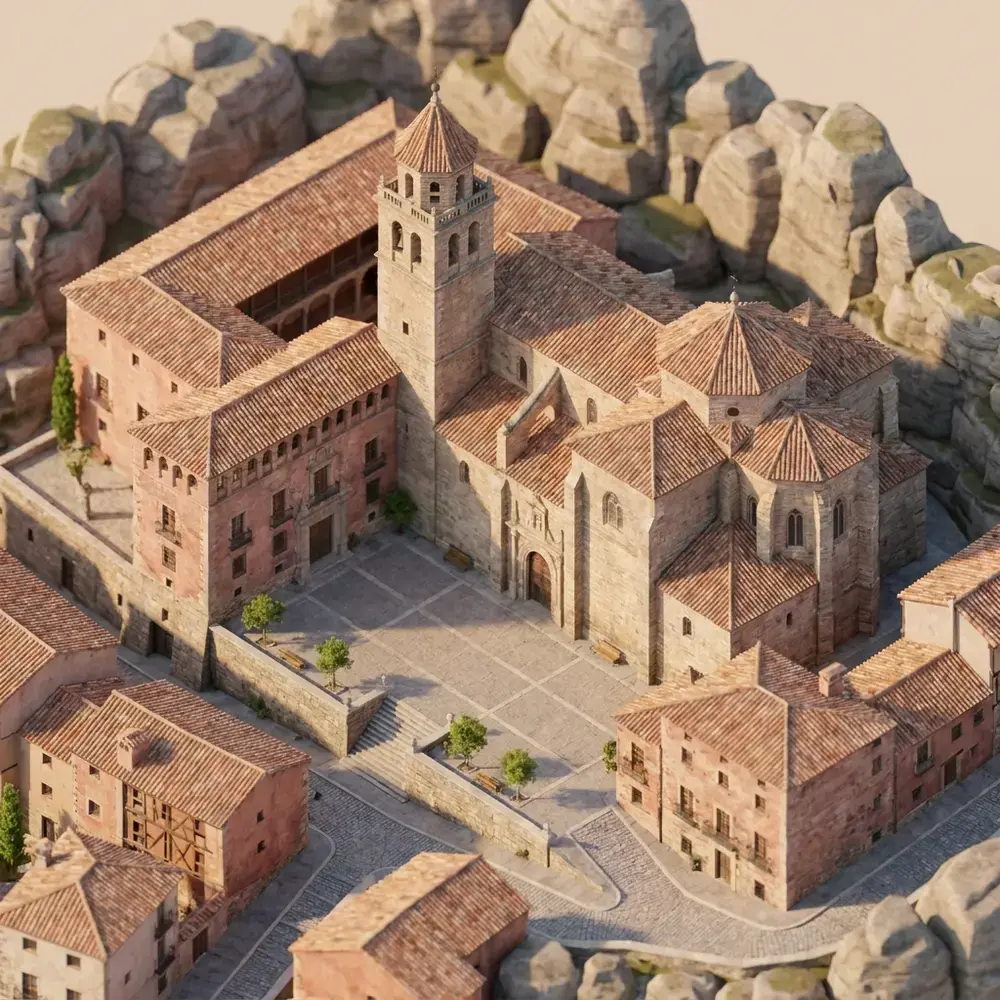
Explore the magnificent Santa María la Real Monastery in Aguilar de Campoo, an outstanding example of Romanesque architecture that has been transformed into a vibrant cultural center. Discover its medieval history, exceptional stone carvings, and its role in preserving Spanish heritage through centuries of transformation.
Aguilar de Campoo: Medieval Biscuit Capital of Spain
Explore the medieval charm of Aguilar de Campoo, renowned as the biscuit capital of Spain. Discover its remarkable Romanesque architecture, historic castle, and rich cultural heritage that has shaped this picturesque town in Palencia.
Ebro Reservoir: The Largest Reservoir in Northern Spain
Discover the history of Ebro Reservoir, the largest reservoir in northern Spain. Created during the Franco era, this impressive hydraulic infrastructure has become a popular destination for water sports enthusiasts and bird watchers. Learn about its construction, ecological importance, and role in the region's development.
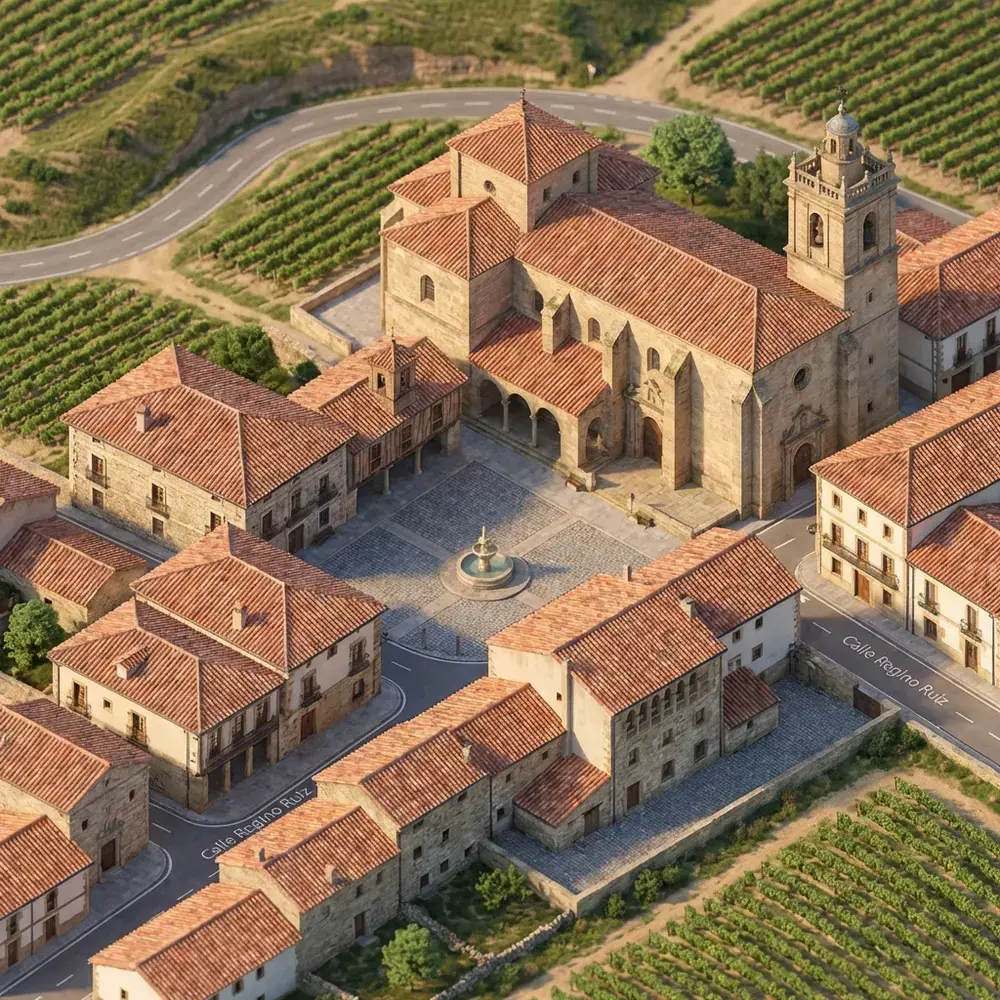
Reinosa: Gateway to Castile in Cantabria
Discover Reinosa, the historic gateway to Castile located in the heart of Cantabria. Learn about its strategic position near the source of the Ebro River, its industrial heritage, and the stunning mountain landscapes that surround this charming town in Northern Spain.
Santander: The Elegant Coastal Capital
Beautiful coastal capital of Cantabria, featuring the famous Sardinero beaches, Magdalena Palace, and modern Botin Center.
Palacio de Festivales de Cantabria: Santander's Cultural Heart
Discover the iconic Palacio de Festivales de Cantabria, an architectural masterpiece designed by Francisco Javier Sáenz de Oiza in 1990. Learn about this premier cultural venue that serves as the main location for Santander's International Festival and hosts world-class performances in the heart of Cantabria's capital.
Palacete del Embarcadero: Royal Boarding Pier of Santander
Explore the history of Palacete del Embarcadero, a historic palace built between 1920 and 1932 as a royal boarding pier in Santander. Located on the iconic Paseo de Pereda, this elegant building once served as the gateway for Spanish royalty arriving by sea. Today, it functions as an exhibition and conference hall, preserving the architectural heritage of Cantabria's maritime past.
Real Club Maritimo de Santander: A Maritime Legacy
Explore the history of the Real Club Maritimo de Santander, a prestigious sailing club founded in 1927. Built on stilts over the sea, this architectural gem showcases distinctive rationalist design and has been a cornerstone of Cantabria's maritime culture for nearly a century.
Barrio Pesquero: Santander's Traditional Fishing Quarter
Explore the authentic maritime heritage of Barrio Pesquero, a traditional fishing neighborhood established in 1943. Discover this genuine area of Santander where maritime tradition lives on through local restaurants and the authentic atmosphere of a working fishing community.
Hermitage of San Miguel de Carceña: A Romanesque Jewel
Explore the history of the Hermitage of San Miguel de Carceña, a 13th-century Romanesque chapel perched on Mount Carceña. Declared a Local Cultural Asset in 2005, this architectural gem features Gothic transition elements and is steeped in local legends that have captivated generations in Cantabria.
Saron: Historic Town of Cantabria
Explore the rich history of Saron, a historic town founded in 1876 in the heart of Cantabria. As the largest settlement in Santa Maria de Cayon municipality, discover its notable architecture, cultural heritage, and evolution from a rural village to a thriving community that shaped the region's development.
Church of San Juan Bautista - Liano: Traditional Cantabrian Sacred Architecture
Explore the Church of San Juan Bautista in Liano, a historic parish church that embodies the traditional religious architecture of Cantabria. Located in the charming village of Liano in Villaescusa, this church serves as a spiritual and cultural landmark at the starting point of a scenic walking route. Discover the heritage and architectural features that make this church a significant part of Cantabrian rural tradition.
Cueva de Altamira: The Sistine Chapel of Cave Art
Explore the magnificent Cueva de Altamira, a UNESCO World Heritage site featuring 14,000-year-old Paleolithic paintings that revolutionized our understanding of prehistoric art. Located in Santillana del Mar, Cantabria, this cave is renowned as the 'Sistine Chapel of Cave Art' for its exceptional polychrome ceiling paintings of bison, horses, and other animals. The site now features a faithful replica museum that allows visitors to experience these ancient masterpieces while preserving the original cave.
Santillana del Mar: The Town of Three Lies
Explore the enchanting medieval town of Santillana del Mar, known as 'The Town of Three Lies' because it's neither holy, flat, nor by the sea. Discover its perfectly preserved cobbled streets, noble stone mansions, and the magnificent Romanesque Collegiate Church that has stood for centuries. Learn about its rich history, architectural treasures, and why it's considered one of Spain's most beautiful medieval towns.
El Capricho: Gaudí's Oriental Masterpiece in Cantabria
Explore El Capricho, one of only three Gaudí works outside Catalonia. Built in 1885, this remarkable orientalist villa showcases the architect's innovative genius with its distinctive sunflower tiles, unique architectural elements, and creative use of materials. Now serving as a museum, this hidden gem in Comillas represents Gaudí's early experimentation with nature-inspired design and his mastery of combining functionality with artistic beauty.
Comillas: The Pearl of Cantabrian Modernist Architecture
Explore the aristocratic seaside town of Comillas, renowned for its stunning modernist architecture including works by Gaudí, the prestigious Pontifical University, the magnificent Sobrellano Palace, and breathtaking beaches with spectacular mountain views in northern Spain.
San Vicente de la Barquera: Medieval Jewel of Cantabria's Coast
Explore the rich heritage of San Vicente de la Barquera, a historic fishing port and medieval town featuring a magnificent 13th-century castle, stunning Gothic church, and pristine beaches. Nestled within the beautiful Oyambre Natural Park, this coastal gem offers a perfect blend of history, nature, and maritime culture along Spain's Green Coast.
Unquera: Gateway to the Hermida Gorge and Home of Traditional Corbatas
Discover the charming village of Unquera, a small but famous settlement in Cantabria known throughout Spain for its traditional pastries called 'corbatas'. Learn about its history as the gateway to the spectacular Hermida Gorge and its role as a connection point between the coast and the interior mountains of Cantabria.
Desfiladero de La Hermida: Spain's Longest Gorge
Discover the magnificent Desfiladero de La Hermida, Spain's longest gorge stretching 21 kilometers through Cantabria. Carved by the Deva River, this natural wonder features dramatic limestone walls reaching 600 meters high, thermal springs, and diverse wildlife in one of Northern Spain's most spectacular landscapes.
Iglesia de Santa María de Lebeña: A Mozarabic Masterpiece
Discover the remarkable Iglesia de Santa María de Lebeña, a 10th-century Mozarabic church that stands as one of the finest examples of pre-Romanesque architecture in northern Spain. Built by Counts Alfonso and Justa, this architectural gem showcases the unique blend of Christian and Islamic influences that characterized the Mozarabic period.
Monasterio de Santo Toribio de Liebana: Guardian of the True Cross
Discover the remarkable history of the Monasterio de Santo Toribio de Liébana, a Franciscan monastery in Cantabria that houses the largest known fragment of the True Cross (Lignum Crucis). Learn about this sacred pilgrimage site, its medieval architecture, and its significance as one of Christianity's most important spiritual destinations in Northern Spain.
Torre del Infantado: Medieval Fortress and Manuscript Treasure
Explore the Torre del Infantado, a magnificent 14th-century fortified tower in Potes that houses the world's largest collection of Beato manuscripts. This medieval fortress offers breathtaking panoramic views of the historic town of Potes and the majestic Picos de Europa mountains.
Potes: Gateway to the Picos de Europa
Explore the captivating town of Potes, capital of the Liebana comarca in Cantabria. Discover its well-preserved medieval architecture, including ancient towers and bridges, while learning about its role as the gateway to the magnificent Picos de Europa National Park. Known for its traditional mountain cuisine and stunning mountain landscapes, Potes offers a perfect blend of history, culture, and natural beauty in northern Spain.
Cabárceno Natural Park: Wildlife Conservation in a Former Iron Mine
Explore Cabárceno Natural Park, a unique 750-hectare safari-style zoo built in a former iron mine in Cantabria. Home to over 120 animal species from five continents living in semi-freedom, this conservation center offers visitors an extraordinary wildlife experience in a stunning landscape shaped by decades of mining history.
Puerto Chico: Santander's Historic Marina District
Explore Puerto Chico, the charming former fishing port turned vibrant marina district in Santander. Discover its transformation from a working harbor to a beloved area filled with restaurants, bars, and stunning bay views, representing the historic heart of Santander's maritime heritage.
Mouro Island: Santander's Rocky Marine Reserve
Explore the captivating history of Mouro Island, a small rocky outcrop in Santander Bay featuring a 19th-century lighthouse. Discover how this tiny island became a protected marine reserve, home to diverse seabird colonies and rich marine biodiversity in the Cantabrian Sea.
Playa de los Bikinis: Spain's First Bikini Beach
Explore the historic Playa de los Bikinis, the first beach in Spain where bikinis were worn. Located on the southern shore of the Magdalena Peninsula near the palace, this charming beach holds a unique place in Spanish social history and offers stunning coastal views.
Port of Santander: Gateway to the Atlantic
Explore the history and significance of the Port of Santander, a major Atlantic port connecting Spain with Northern Europe. Learn about its historical importance for trade and passenger services, its strategic location on the Bay of Santander, and its role in Cantabria's maritime economy.
Palacio de la Magdalena: Royal Palace of Santander
Discover the story of Palacio de la Magdalena, the elegant royal palace built for King Alfonso XIII between 1909-1911. Located on the beautiful Magdalena Peninsula, this architectural gem now serves as a conference center and stands as one of Santander's most visited tourist attractions, offering stunning views of the Cantabrian coast.
Centro Botín: Modern Art by the Bay
Explore the stunning Centro Botín, a modern art center designed by renowned architect Renzo Piano. Featuring a distinctive ceramic facade and positioned overlooking the beautiful Santander Bay, this contemporary cultural space hosts cutting-edge exhibitions and represents the perfect fusion of art, architecture, and natural beauty in the heart of Cantabria.
Santander Cathedral: A Gothic Marvel Reborn
Explore the remarkable story of Santander Cathedral, officially known as the Cathedral of Our Lady of the Assumption. This Gothic cathedral features two overlapping churches and was rebuilt after the devastating 1941 fire. Learn about its unique architecture, the sacred relics of patron saints housed within its walls, and its significance in the religious and cultural heritage of Cantabria.
El Astillero: Historic Naval Shipbuilding Town
Explore the fascinating history of El Astillero, a historic shipbuilding town in Cantabria renowned for its naval industry and strategic location near Santander Bay. Discover how this small town became a cornerstone of Spanish maritime heritage and continues to thrive as an industrial center in northern Spain.
Suances: Ancient Roman Port and Modern Beach Paradise
Explore the captivating history of Suances, a charming fishing village in Cantabria that was once the ancient Roman Portus Blendium. Discover how this historic settlement has evolved into a beloved coastal destination, famous for its stunning beaches and rich maritime heritage.
Torrelavega: Industrial Heart of Cantabria
Explore Torrelavega, an important industrial and commercial hub in Cantabria, renowned for its weekly livestock fair and strategic location. Discover how this dynamic city became a key economic center in northern Spain, bridging tradition and modernity.
El Sardinero: Royal Beach Resort of Northern Spain
Explore the elegant history of El Sardinero, the historic beach district that became the summer retreat of Spanish royalty. Discover its stunning Belle Époque architecture, pristine golden beaches, and transformation from a small fishing village to one of Spain's most prestigious seaside destinations.
Bay of Santander: One of the World's Most Beautiful Bays
Explore the magnificent Bay of Santander, officially recognized as one of the most beautiful bays in the world. Discover its pristine beaches, bustling ports, dramatic landscapes, and the rich maritime heritage that has shaped this Cantabrian jewel on Spain's northern coast.
Santander: Capital of Cantabria
Explore Santander, the stunning capital of Cantabria known for its beautiful bay, pristine beaches, and the magnificent Royal Palace of La Magdalena. Discover the rich maritime heritage, elegant architecture, and vibrant cultural life of this coastal gem in northern Spain.
Isla: Coastal Gem of Trasmiera
Explore the charming coastal village of Isla in Arnuero municipality, renowned for its stunning beaches, the historic Quejo cape, and its strategic location near the Joyel estuary. Discover how this picturesque settlement became one of Trasmiera's most important tourism destinations, blending natural beauty with rich maritime heritage.
Noja: Gateway to Cantabrian Coastal Paradise
Explore Noja, a charming beach resort town in Cantabria known for its stunning sandy beaches and prime location near the Santoña marshlands natural park. Discover how this coastal gem has become a haven for nature lovers, bird watchers, and beach enthusiasts seeking the perfect blend of relaxation and natural beauty along Spain's northern coast.
Santoña: Anchovy Capital and Maritime Heritage
Discover the charming coastal town of Santoña, renowned for its world-famous anchovy production and rich maritime history. Explore the Gothic church of Santa María del Puerto, learn about the natural marshlands that make this area a biodiversity hotspot, and understand how this historic port became one of Spain's most important fishing centers.
Puebla Vieja de Laredo: Medieval Heart of Cantabria
Explore the enchanting medieval old town quarter of Laredo, featuring six original historic streets and surrounding suburbs. This remarkable area represents one of Cantabria's most outstanding architectural ensembles, blending medieval heritage with modern influences in a captivating coastal setting.
Laredo: Historic Marine Town of Cantabria
Explore the captivating history of Laredo, one of the Four Marine Towns of the Coast in Cantabria. Discover La Salvé beach, the largest in Cantabria, and wander through the medieval old town (Puebla Vieja) with its rich maritime heritage and centuries-old traditions.
Castle of Santa Ana: Medieval Fortress of Castro-Urdiales
Discover the remarkable Castle of Santa Ana, a medieval castle-lighthouse perched on a rocky promontory in Castro-Urdiales. Built next to the gothic church, this historic fortress offers spectacular views of the Cantabrian Sea and stands as one of Cantabria's most iconic coastal monuments.
Church of Santa María de la Asunción: Gothic Jewel of Castro-Urdiales
Explore the magnificent Church of Santa María de la Asunción, a stunning Gothic masterpiece from the 13th-15th century perched on the cliffs of Castro-Urdiales. Discover the famous White Virgin sculpture, admire the exceptional Cantabrian Gothic architecture, and learn about this sacred landmark that has watched over the Cantabrian coast for centuries.
Castro-Urdiales: Medieval Jewel of the Cantabrian Coast
Explore the captivating history and beauty of Castro-Urdiales, a historic coastal town featuring a magnificent medieval castle, the stunning Gothic church of Santa María, and a charming old quarter. Discover how this important fishing port became one of the most picturesque destinations on the Cantabrian coast.
Transporter Bridge of Vizcaya: UNESCO World Heritage Monument
Explore the remarkable story of the Transporter Bridge of Vizcaya, a UNESCO World Heritage hanging bridge built in 1893. Discover how this engineering marvel became the world's first transporter bridge, connecting Portugalete and Getxo over the Nervión river in the Basque Country.
Ajo Lighthouse: Okuda San Miguel's Colorful Masterpiece
Discover the stunning Ajo Lighthouse, transformed by renowned artist Okuda San Miguel into a vibrant work of art. Located at Cantabria's northernmost point, this iconic lighthouse offers spectacular coastal views and represents the perfect fusion of maritime heritage and contemporary street art.
Church of Santa María de Bareyo: A Romanesque Treasure
Explore the magnificent 12th-century Romanesque Church of Santa María de Bareyo, a Cultural Heritage Site in Cantabria. Discover its remarkable carved capitals and biblical reliefs, including the famous scene of Abraham's sacrifice of Isaac, showcasing the artistic mastery of medieval Spanish architecture.
Pedreña: Seve Ballesteros' Birthplace and Coastal Gateway
Explore the charming coastal village of Pedreña, famous as the birthplace of golf legend Seve Ballesteros. Discover its scenic golf course, ferry connections to Santander, and the rich maritime heritage that defines this picturesque corner of Cantabria.
Peninsula of Magdalena: Royal Palace and Gardens
Discover the Peninsula of Magdalena in Santander, a historic royal palace built for King Alfonso XIII. Now transformed into a cultural center, this magnificent location offers stunning gardens and panoramic views of the Cantabrian Sea. Learn about its royal heritage, architectural beauty, and its current role as one of Cantabria's most important cultural landmarks.
Santander Cathedral: Gothic Heritage in Cantabria
Explore the rich history of Santander Cathedral, a Gothic masterpiece built between the 12th and 14th centuries. Perched on a hill and dedicated to Saints Emeterius and Celedonius, this sacred monument houses the precious silver heads of the city's patron saints and stands as a testament to Cantabria's architectural and spiritual heritage.